Eid al-Fitr
Eid al-Fitr ends the Ramaḍān fast and is a public holiday in Melilla, published in the BOE (Spain’s official state gazette) as Fiesta del Eid Fitr.
What it means
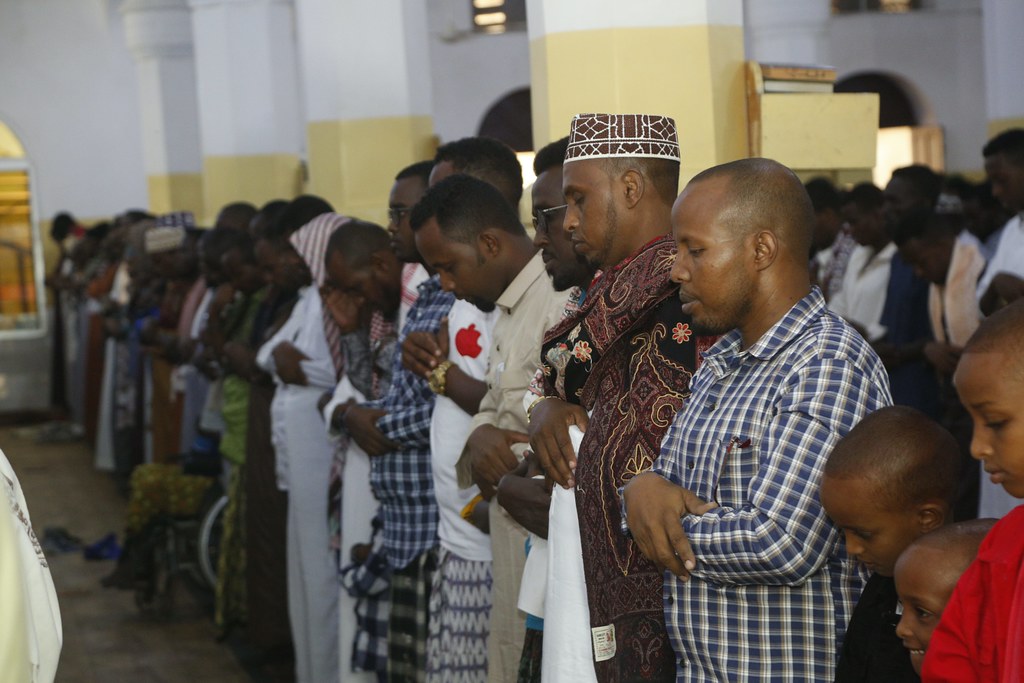
The festival marks the first day of Shawwāl and gives thanks for completing the month of fasting. It centres on communal prayer, charity (including zakāt al-fiṭr), and joyful gatherings with family and neighbours.
Origin and history
Eid al-Fitr is one of the two major festivals of the Islamic year, tied to the lunar Hijri calendar. Spain’s 1992 cooperation agreement with the Islamic Commission recognises IDU AL-FITR among religious days that workers may observe by agreement. Melilla places the feast on its official labour calendar; for 2026 the BOE lists 20 March as Fiesta del Eid Fitr.
How it is observed in Spain
In Melilla the day is a city-wide paid holiday. Muslims attend morning Eid prayer when possible, give charity, wear festive clothes, and spend the day visiting and sharing meals. In most of the rest of Spain the feast is widely celebrated in private and community settings but is not a general public holiday.
Interesting facts
- Melilla’s BOE holiday title is the short form “Fiesta del Eid Fitr.”
- Together with Ceuta, Melilla is exceptional in Spain for making Eid al-Fitr a general public holiday.
- The Gregorian date moves about eleven days earlier each year with the Islamic lunar calendar.
- Religious tradition links the feast to charity so that people in need can celebrate as well.
Check the 2026 dates
Holiday status depends on place. See the official calendar pages for the locations covered by this guide.